When it comes to finding the ideal road bike, the choices can be overwhelming. With numerous brands, models, and features available, it’s important to understand how to select the right one for your needs. In this guide, we will walk you through the essential factors to consider when choosing a road bike that matches your riding style, budget, and preferences. In this article, we will run through how to choose the right road bike for you.
Determine Your Cycling Goals
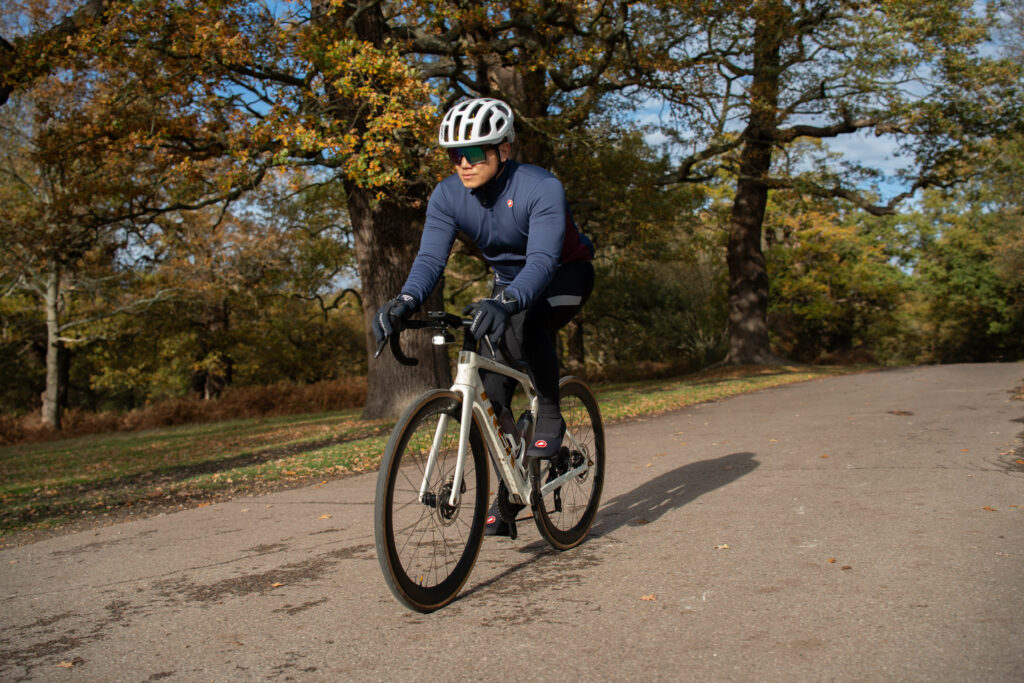
The first step in selecting the correct road bike is to clearly define your cycling goals. Are you looking for a bike to commute to work, do you want to ride long distances, participate in racing, or simply enjoy recreational rides on weekends? Identifying your primary purpose will help narrow down the options and prioritise features that align with your objectives.
For example, a rider looking to ride long distances would be best placed on an Endurance style road bike – this bike takes comfort into consideration as much as speed/efficiency. Whereas someone who is planning on racing may sacrifice some of that comfort to make their race bike as fast as possible through more aggressive, aero positioning (among other things).
Which Frame Material?
The frame material plays a vital role in a bike’s weight, durability and ride quality. Road bikes most commonly use aluminium, carbon fibre and steel. Aluminium delivers affordability and stiffness, carbon fibre offers low weight and excellent vibration damping, and steel stands out for durability and comfort. Your budget and priorities should guide your choice of material.
Bike weight certainly affects how easy and efficient the bike feels to pedal, but it does not act alone. Geometry, gearing and your own fitness all contribute to how a bike rides, so you should not feel pressured into choosing carbon if it does not suit your budget.
Carbon Fibre Frames
Carbon fibre sits at the premium end of frame materials. Manufacturers create it from thin strands of carbon woven together, pressed into a mould and bonded with resin. This process gives designers enormous freedom, allowing them to shape tubes for maximum speed and efficiency.
You will often hear the term aerofoil used in relation to carbon frames and components. Aerofoil tube shapes mimic the profile of an aircraft wing, which represents the most aerodynamic form. Designers can only achieve these complex shapes with carbon fibre.
Carbon fibre offers exceptional strength during normal riding, but it reacts poorly to sharp impacts. Crashes or heavy knocks can cause cracks that compromise the frame’s integrity. If this happens, a professional inspection becomes essential before riding again. Unlike most other materials, however, specialists can repair carbon fibre frames in many cases.
Aluminium Frames
Aluminium remains the most budget-friendly frame material and accounts for the majority of bikes on the market. Manufacturers use it across everything from kids’ bikes and entry-level adult models to high-performance alloy frames such as the Specialized Allez Sprint. Aluminium frames offer excellent robustness and cost far less to replace than carbon if damage occurs.
Compared to carbon, aluminium provides less natural compliance. This means alloy frames tend to transmit more road buzz on rough surfaces, which can increase fatigue on longer rides.
Titanium Frames
Titanium sits firmly at the premium end of frame materials and often earns the title of a true “forever bike.” You will most commonly find it on high-end, boutique builds, favoured by riders who want a frame that can last a lifetime. Titanium resists corrosion exceptionally well, offers outstanding strength for its weight, and tolerates damage far better than carbon, making it a popular choice for endurance and year-round riders.
One of titanium’s standout benefits lies in its finish. Riders can often sand out light scratches and cosmetic marks, helping the frame maintain its appearance over many years.
Titanium delivers a famously smooth and compliant ride feel. The material naturally dampens road vibrations, reducing fatigue on long rides while remaining responsive under power. This balance makes titanium particularly well suited to endurance riding, long-distance events and rougher road conditions.
Steel Frames
Steel holds a long and iconic place in cycling history. For decades, it dominated everything from daily commuters to professional race bikes. Legends such as Eddy Merckx rode steel frames, including his Colnago Tour de France-winning bikes in the 1970s, at a time when steel represented the gold standard in performance. That era cemented steel’s reputation for craftsmanship and ride quality.
Steel and Fashion
In modern cycling, steel occupies a more niche position. Riders most often choose it for custom builds and lifestyle-focused bikes. where heritage, aesthetics and character matter as much as performance. Steel offers a smooth, springy ride feel and excellent durability, with natural compliance that helps reduce road buzz and fatigue over long distances. However, steel weighs significantly more than carbon or aluminium, which explains why racers rarely choose it today and why it now aligns more closely with classic-inspired and fashion-led cycling culture.
Bike Fit & Geometry
Ensuring your bike fits you properly is crucial for comfort and performance. Different road bike geometries suit different riding styles. Some bikes have an aggressive racing geometry, while others offer a more relaxed and upright position, which would be better for big, long days in the saddle.
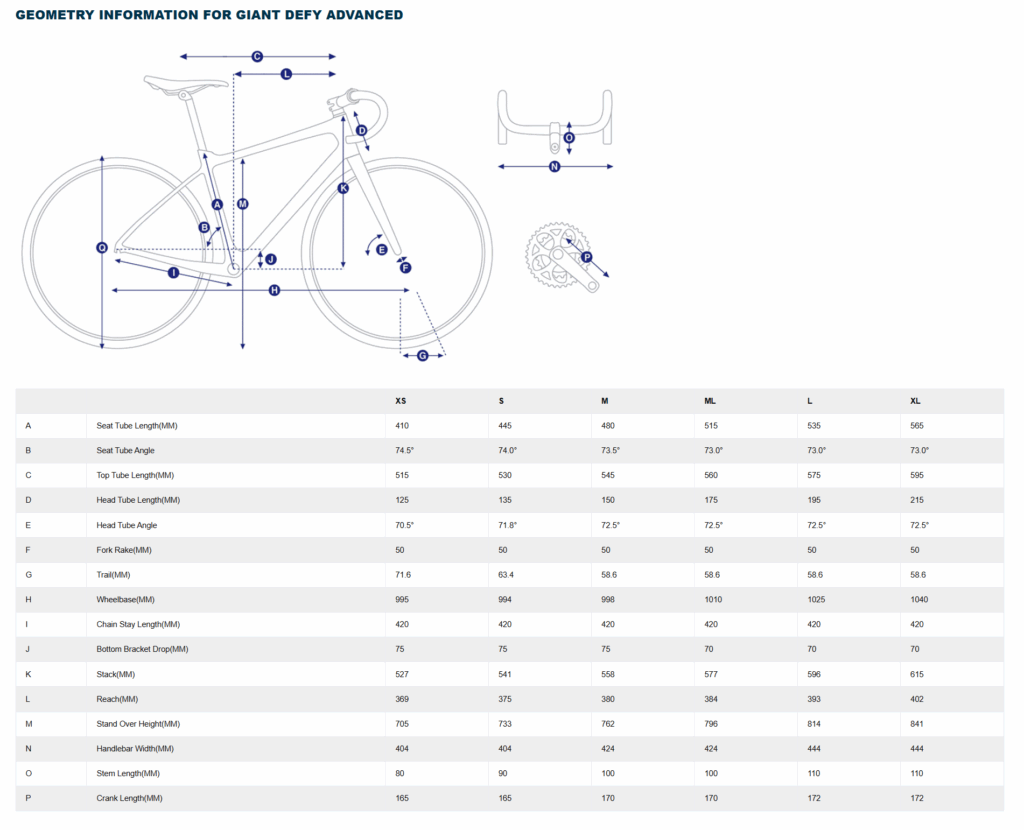
Bike geometry between road race bikes and road endurance bikes generally stays the same between brands, which an endurance bike having a higher stack height, which raises the handlebars slightly. On road race bikes its quite common to find pros removing all the spaces and “Slamming” the stem. Which for most amateurs, would be extremely uncomfortable.
However, there has been a bit of a shift in the school of thought around bike geometry, as more research is done into the link between aerodynamics and physiology, and some riders are opting to come up higher at the front to create a more sustainable aerodynamic position. Which would be more aerodynamic over 3 hours rather than 3 minutes.
If in doubt, visit a local bike shop or consult with a professional bike fitter to determine the correct frame size and geometry that matches your body proportions and riding preferences if you are unsure.
*Beginner tip: Geometry refers to the different angles of various parts of the bike (for example, the seat tube angle), or the angle between 2 different parts of the bike (eg. Reach – the horizontal distance from the centre of the bottom bracket to the centre point at the top of the head tube). Each of these angles have an impact on the way the bike feels to ride and what it’s best used for.
Groupsets
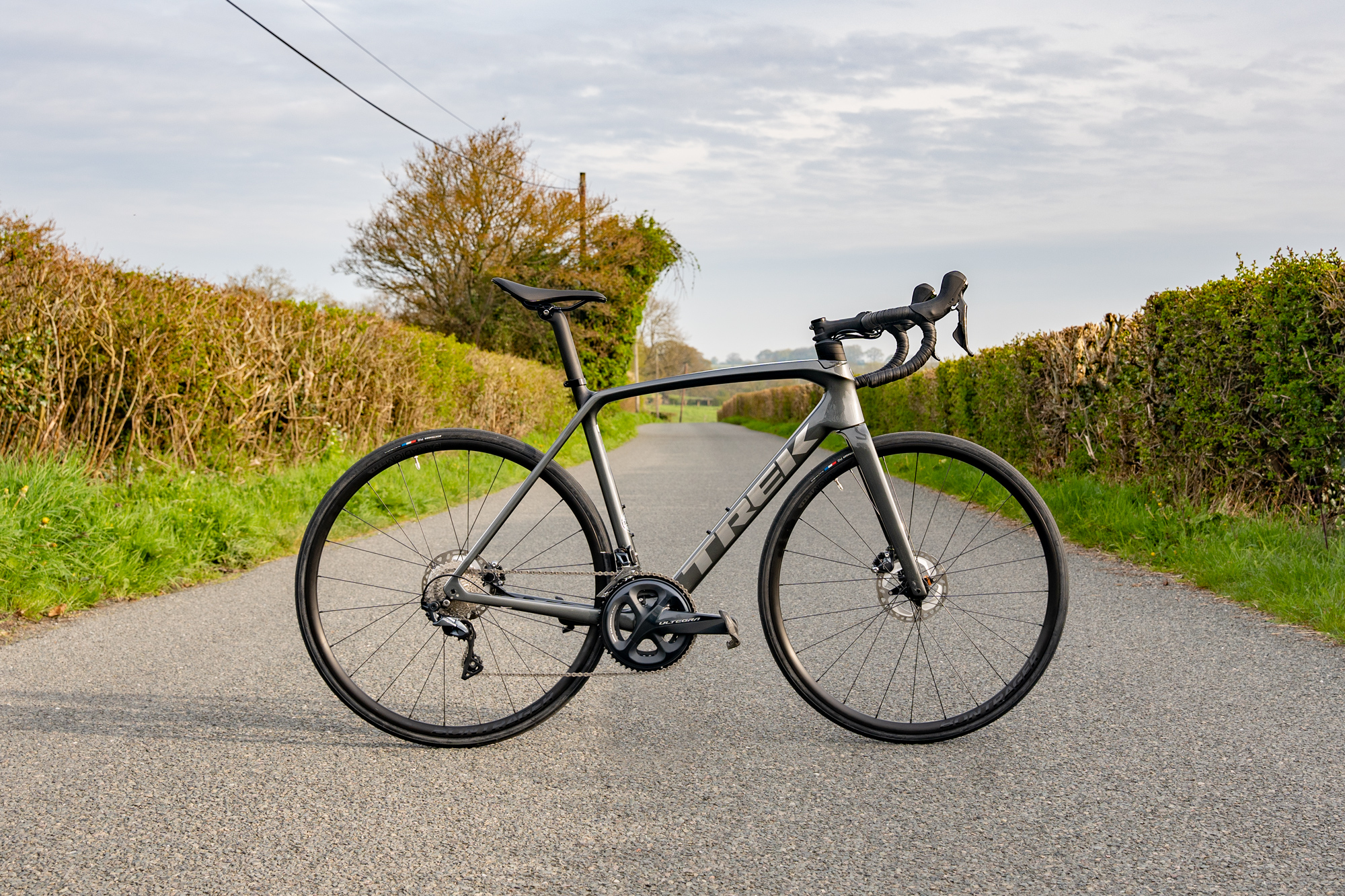
The components and groupset on a road bike include the drivetrain, brakes, and other parts. These components affect the bike’s performance, shifting quality, and overall weight. Well-known component manufacturers like Shimano and SRAM offer various groupsets catering to different budgets. Choose a groupset that suits your riding style and budget while considering the gear ratios and number of gears that align with your terrain and fitness level (more on that below). Nowadays, you’ll also need to decide if you want electronic or mechanical shifting!
Shimano Tiagra
Tiagra is the entry-level groupset. Youll find this on most bikes around the £1000 mark. Its a great option for those wanting an introduction to road bikes. It gives you smooth gear shifting as well as hydraulic disc brakes for reliable braking. There is no SRAM equivalent for this price, so you are limited for options, however Tiagra has everything you could possibly need.
Shimano 105 Mechanical
Shimano 105 is commonly known as the groupset of the people. It is a mid-budget option and is the culmination of trickle-down technology from previous generations of Dura Ace and Ultegra. Like Tiagra, there is no Equivalent from other brands; however, 105 is an outstanding groupset at an outstanding value. With this, you get better shifting than Tiagra, as you get access to Shimano’s famous HyperGlide technology.
SRAM Rival AXS/ Shimano 105 Di2
Rival and 105 Di2 mark the entry point into electronic shifting. Electronic shifting uses small motors to move the derailleur the precise distance every time, delivering consistent, accurate shifts with no missed gears or hesitation. Once you set electronic shifting up, it stays dialled in, so you never need to adjust it again.
SRAM Force/ Shimano Ultegra
This is where we start getting into the performance-focused Tech. Force and Ultegra is the go-to for a lot of riders, this is where you get the fastest possible shifting, and the groupsets start getting lightweight. Compared to Tiagra, youre looking at around half a Kilo lighter, which is not insignificant. For reference thats the same as a full waterbottle. Plus Ultegra and Force are electronic so also have to factor in the weight of the batteries too! Both Force and Ultegras shifting is buttery smooth, and shifts are almost instantaneous.
SRAM RED/ Shimano Dura Ace
RED and Dura-Ace are when things get serious. These groupsets are designed to be raced at the highest level. They are ultra-lightweight, getting close to 1kg lighter than the entry-level groupsets.
Most road bikes of today are equipped with hydraulic disc brakes – these will give you maximum stopping power, for progressive breaking, meaning you have much more control over how much the brake bites. This can give you confidence to attack on your descents, and gives you more time to react when riding in a bunch. However, mechanical disc brakes or rim/calliper brakes will still get the job done, but once you try hydraulic its really hard to go back.
Components
Beyond groupsets, If you’re looking to make your bike as light as possible, then you can get all sorts of carbon components that will help shave off the weight. These will generally come in at a higher price point, but when you’re at the sharp end of racing, or looking to take some new KOMs, every gram counts!
Of course, Carbon components are a luxury, not a necessity, so don’t worry – you can get plenty of excellent kit across the full spectrum of price points.
Gearing
Choosing the right gearing/gear ratios can help enhance your efficiency, maintain optimal cadence and make tackling different terrains more manageable.
For example, if you’re planning on riding routes with big hills or mountains, you’re going to want gears that give you the best chance of getting from bottom to top without having to take your bike for a walk! Generally, this would mean a larger cassette on the back with smaller front chainrings.
If you’re riding mostly flat routes, you’ll be looking for gearing that will help you maintain a steady pace.
You should also factor your current fitness level into your selection – if you’re just starting out, you may want to choose slightly easier gearing to help you tackle those hills as you build fitness. At the same time, a more seasoned rider may choose a harder gearing to help them maximise their power output.
One more thing to note, as mentioned above, you can now choose from mechanical or electronic shifting. Electronic shifting comes in at a higher price point, but you’ll benefit from quiet, silky smooth shifting, and in theory you shouldn’t need to index your gears (but micro-adjustments can be made if needed). Gear cable changes will be a thing of the past!
The good news is you can always change your gearing later if your priorities change!
Wheels & Tyres
Wheels and tyres significantly impact the ride quality, speed, and comfort of a road bike. Consider the type of riding you’ll be doing and the road conditions you’ll encounter. For example, lightweight carbon wheels are excellent for climbing, while deep-section (or deep-dish as you may see them referred to as) aerodynamic wheels are beneficial for time trials and fast-paced rides.
Wheel weight can have an effect on how your bike accelerates, not only on the climbs but also on the flat. This is due to an effect called Rotational weight. This means when the wheel is accelerating the perceived mass of the wheel increases by around 1.5-2x. But what does that actually mean? Well, if for example you have 2 wheels, one is 1800g and one is 1300g meaning a 500g difference, when you are accelerating, the forces acting on you will actually be 750g-1kg.
Additionally, tyre width plays a role in comfort and traction. Wider tyres provide more stability and a smoother, comfier ride.
What if I need help choosing the right road bike?
If you still can’t decide which bike is right for you, then don’t worry, there are still plenty of options to help you find YOUR bike.
Test Rides
There’s a wealth of info and reviews online, but sometimes it’s still hard to gauge if a bike will be right for your exact needs and preferences.
Before making a final decision, try to test ride some of your shortlisted bikes. Even if it’s just a ride round the car park it should give you a good idea of the sizing and geometry that will work for you.
Visit Us
Choosing the right road bike should be an exciting experience. By taking the time to consider how and where your bike will primarily be used you should then be able to choose what style of bike would be best.
If you would like some help or advice choosing the right bike, then please do get in touch with our support team or visit one of our 12 stores across London & the Southeast. Our team will be happy to help.
To see our full range of road bikes from Trek, Specialized, Giant & more please click the button below..